
Aerodynamics
Services and Expertise
Standard aerodynamic services
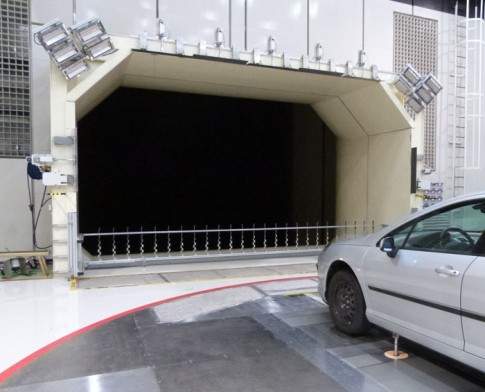
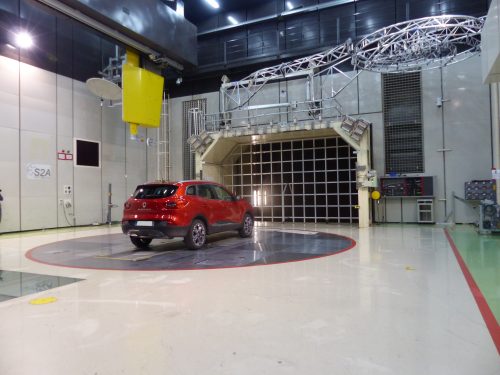
Turbulence grid
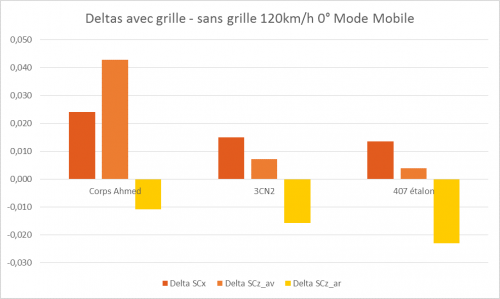
The goal is to introduce turbulence into the original flow in order to more closely simulate real-world driving conditions.
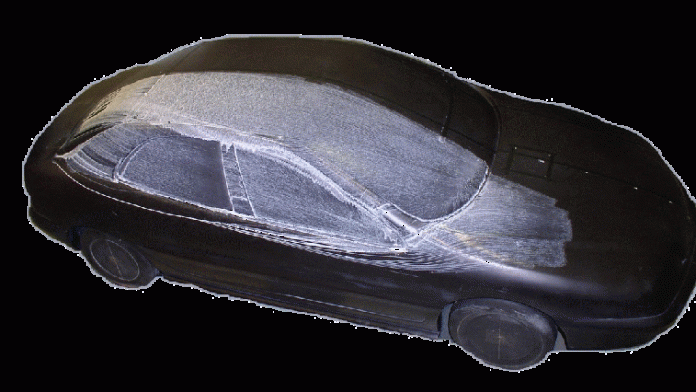
Analysis
The S2A team proposes the implementation of:
- Measuring aerodynamic coefficients with and without turbulence
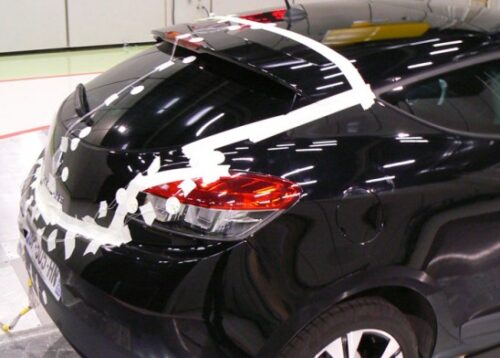
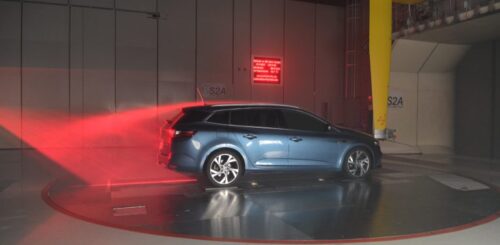
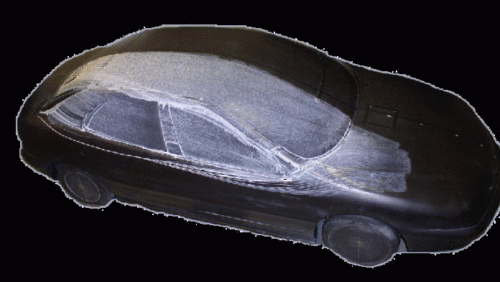
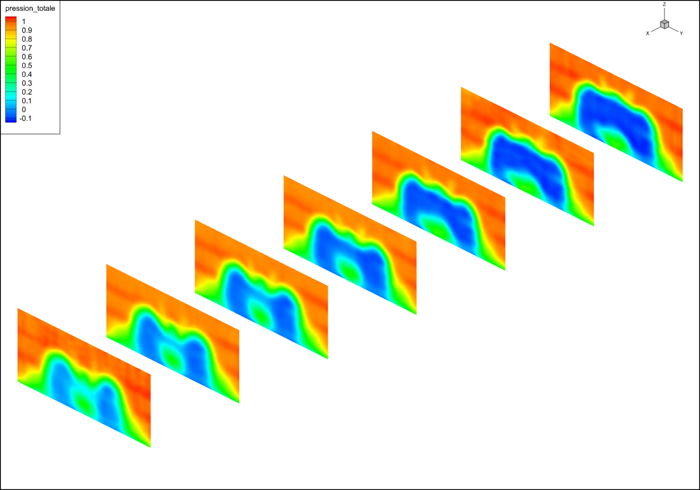
- Topological analysis: anemocline probe tomography
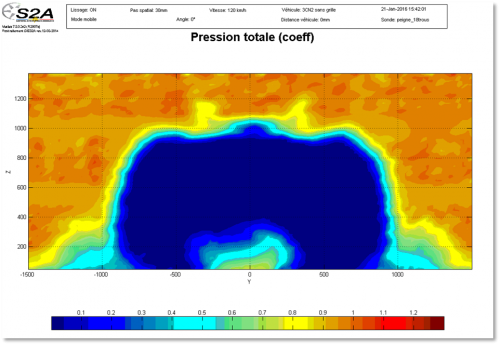
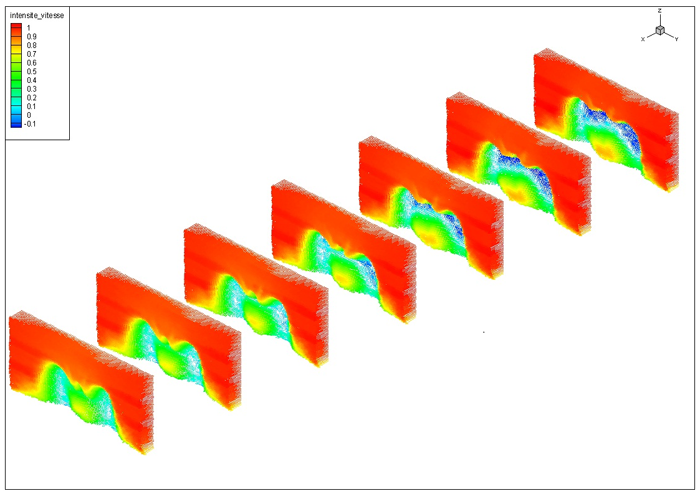
Without a grid
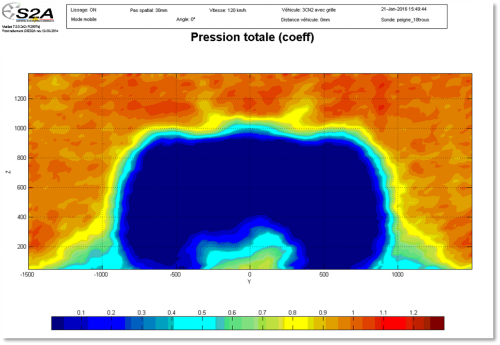
With rack
Computed tomography
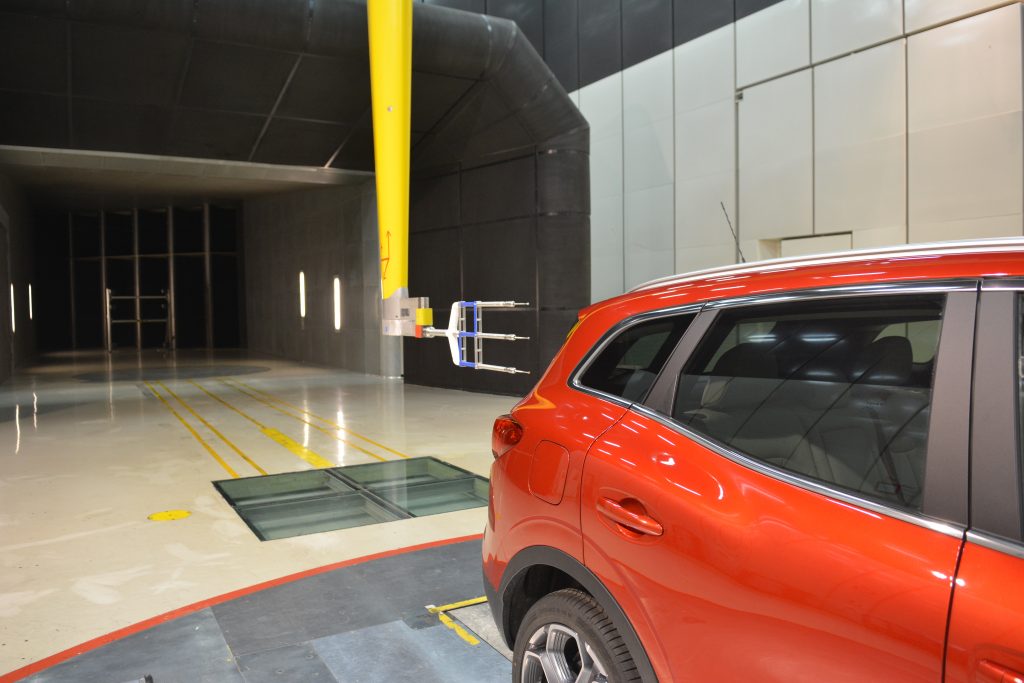
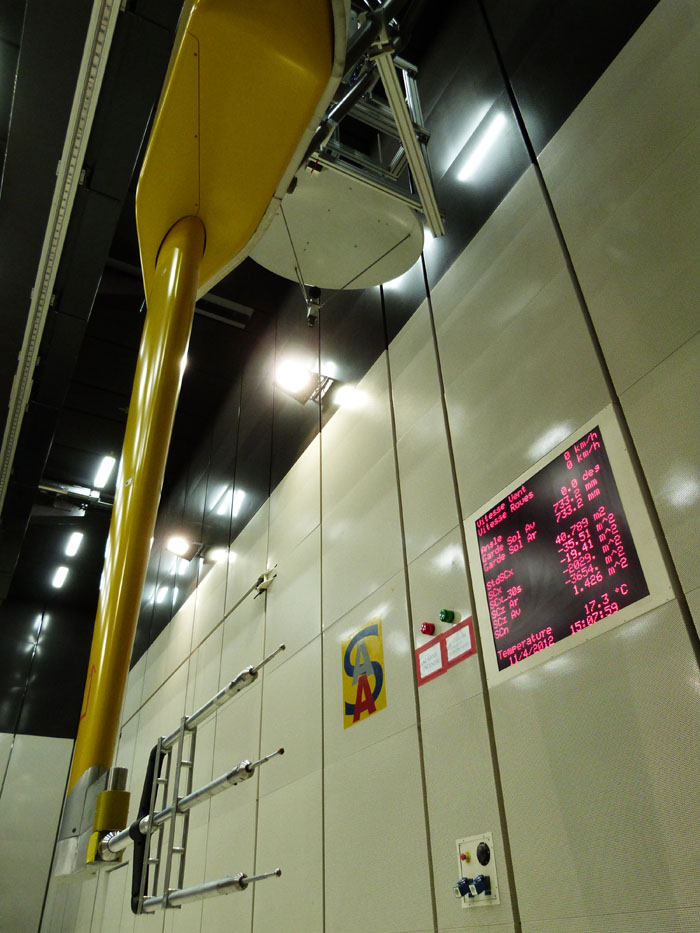
Qualitative and quantitative characterization of aerodynamic parameters: measurements of pressure and air velocity within the volume controlled by the wind tunnel probe.
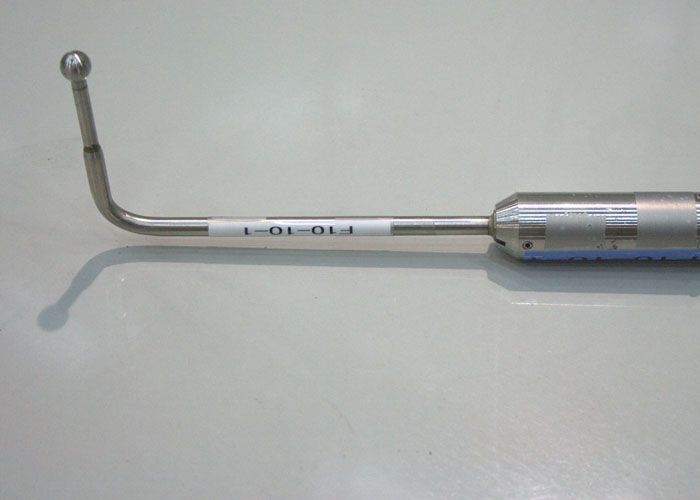
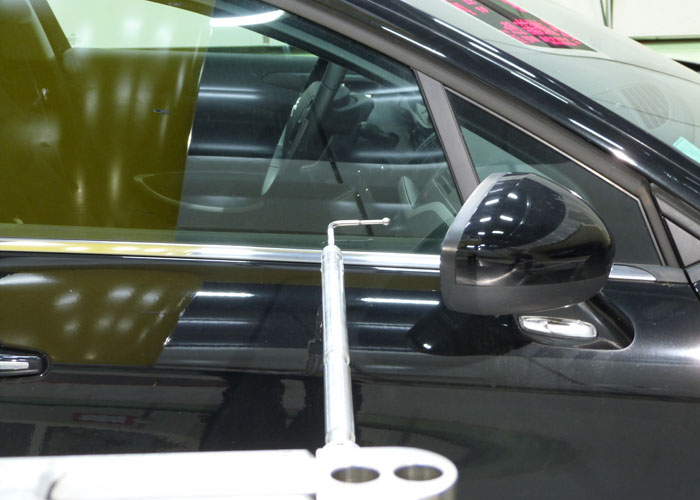
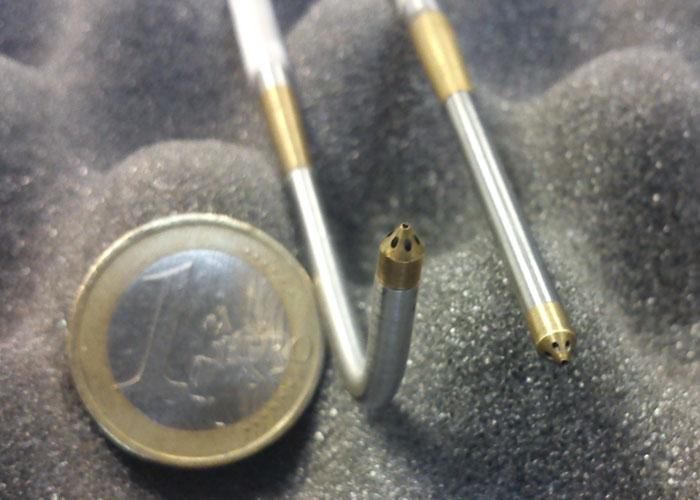
Four types of probes can be used depending on the areas to be explored:
- Three straight 18-hole omnidirectional probes are mounted on the wind tunnel’s 3D scanner, particularly for large measurement areas, such as in the wake of the test object.
- A similar angled probe is available for areas with three-dimensional airflow, such as a car’s underbody, side mirrors, or wheels.
- A more compact conical-head sensor (7 holes) can be installed or repositioned in confined spaces (wheel wells, near walls, etc.)
- A miniature probe (7 holes) is also available for accessing very confined spaces (brakes, cooling fins, etc.).
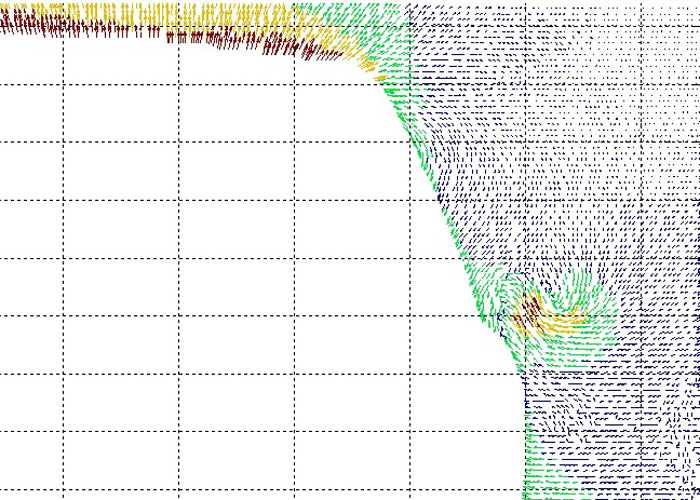
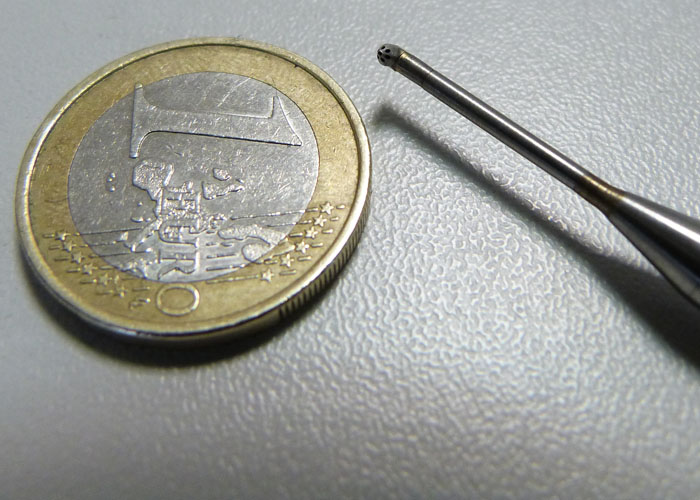
Examples of standard results
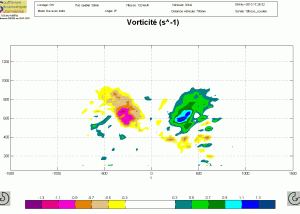
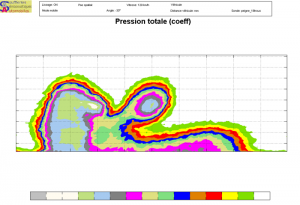
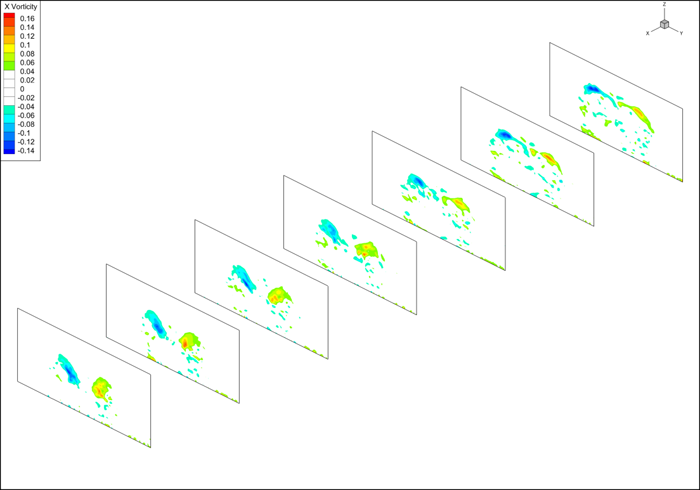
Example of a specific post-processing task: Constant X-planes downstream of a sedan
Vane anemometers
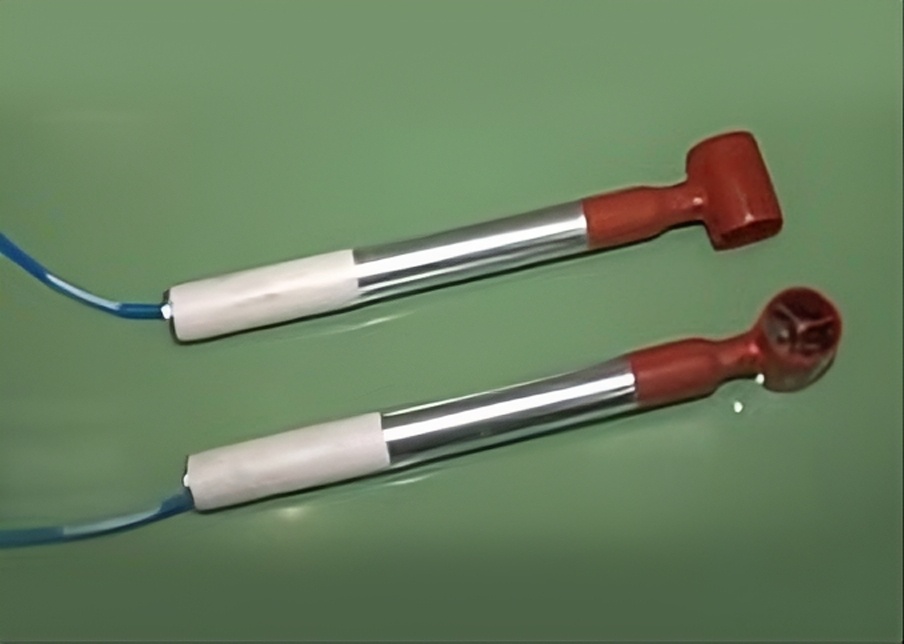
The wind tunnels are equipped with three Mini-Air propeller anemometers. These anemometers are easy to install and have a measurement range of 0.3 to 20 m/s for two of them and 0.3 to 40 m/s for the third (accuracy ±1%). The sensor head measures 11 × 15 mm, and the body is 165 mm long.
Vane anemometers
Competition
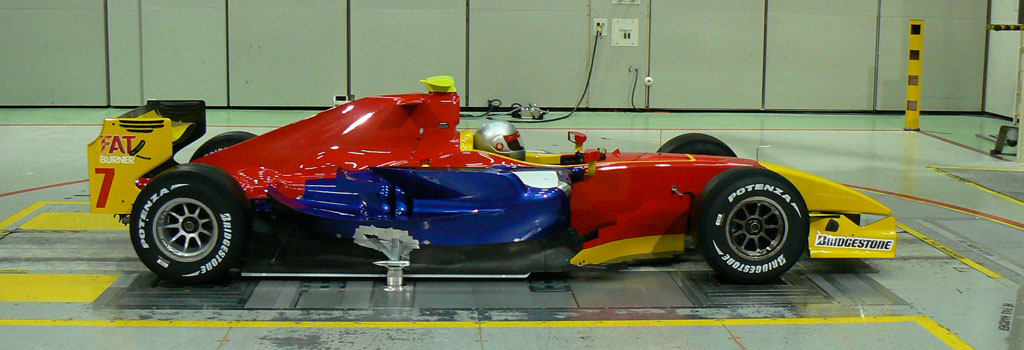
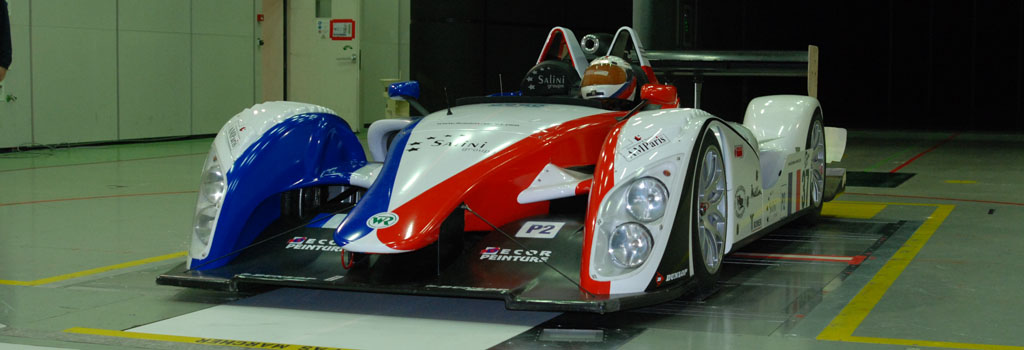
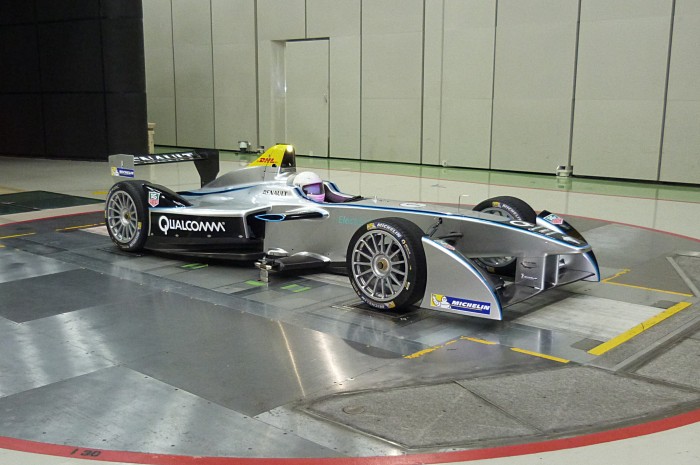
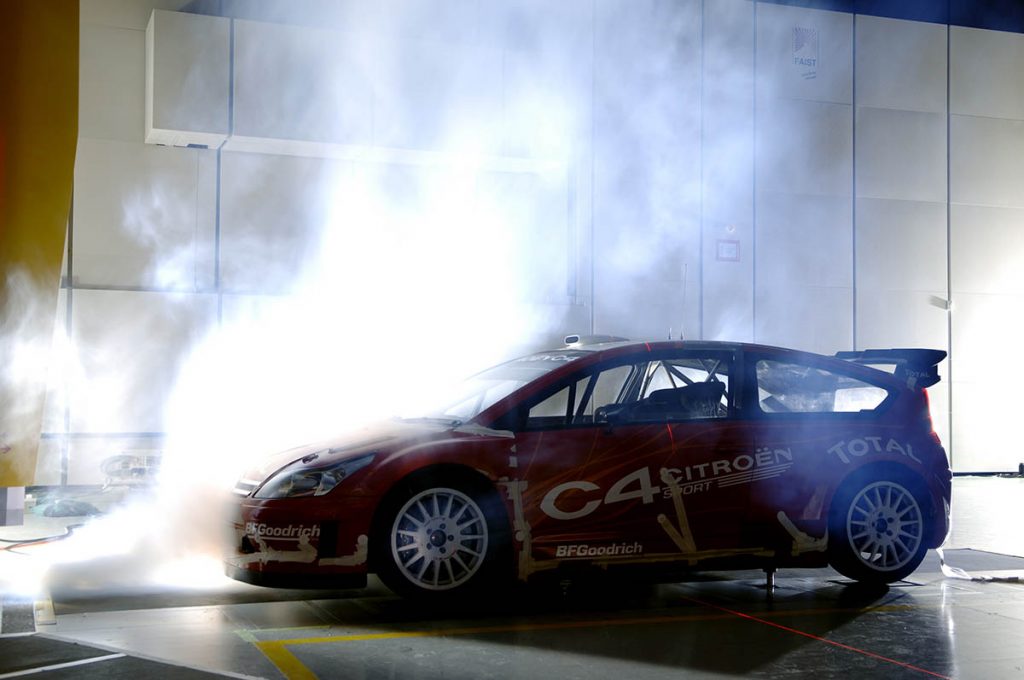
Since its launch in 2003, the GIE S2A’s full-scale wind tunnel has proven to be a highly attractive facility for testing the aerodynamics of race cars.
In fact, this wind tunnel allows for representative and reliable testing to be conducted directly on the vehicle that will be used in the race.
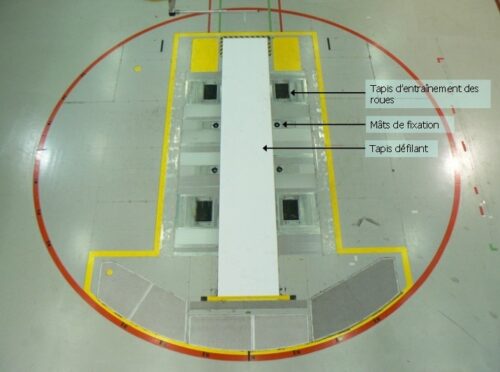
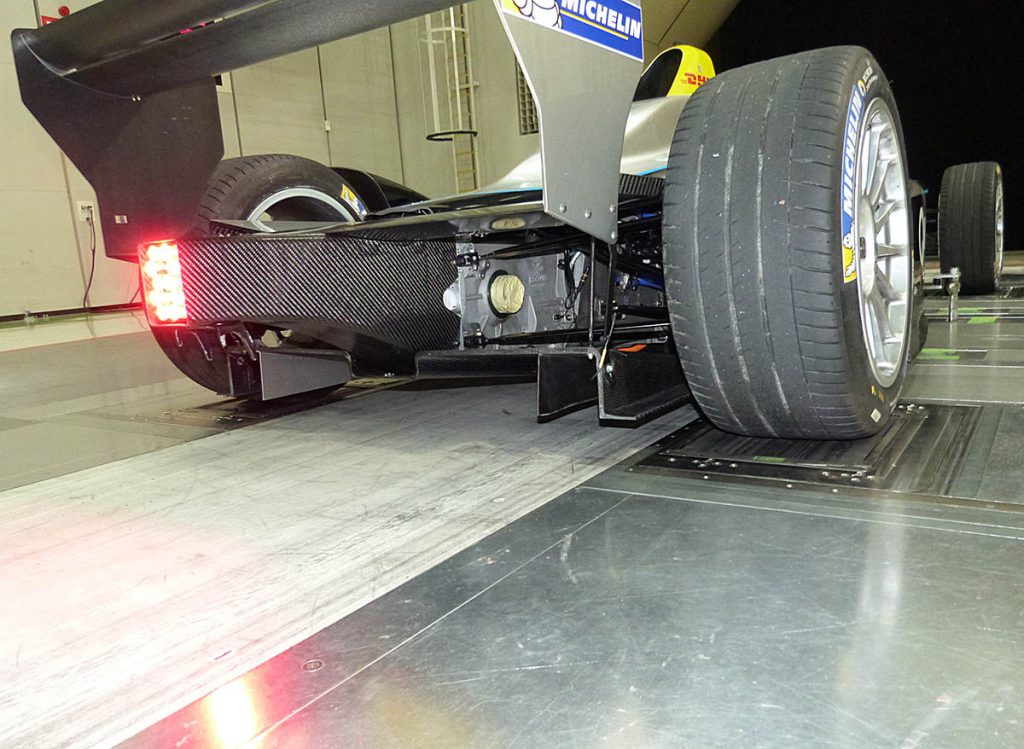
The tests are conducted with the wheels spinning and a conveyor belt 1 m or 1.2 m wide running beneath the vehicle.
The large wing span (24 m²) prevents stalling, and the length of the test area allows the wake to develop freely.
The quality of the vein flow, the accuracy of the scale, and the discreetness and rigidity of the mounting systems ensure reliable and repeatable tests.
Finally, mounting the vehicle on the scale is simple and requires very few modifications to the chassis.
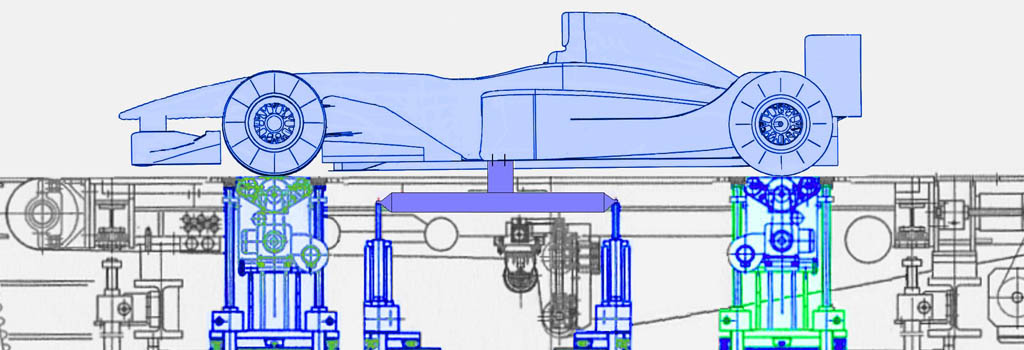
To conduct wind tunnel tests, the vehicle must be secured to the scale. For race cars, we use either the 4-point mounting system or the 2-point mounting system.
For single-seaters such as F1, F3, GP2, and Formula Renault, we use the 2-point mounting system. This system is rigid, reliable, and easy to set up. The vehicle is free to move vertically. Drag forces are absorbed by the mounting, while downforce is generated by the wheels, which are positioned on rotating rollers.
These tests are generally conducted at 160 km/h, but tests can be performed up to 200 km/h. The minimum ground clearance with the moving ground is 4 mm.
Mounting the scale to the vehicle chassis using its four jacks is the more traditional method. This method ensures stable positioning and controlled changes in attitude.
The balance pan allows for crosswind tests up to 30°.
Our pressure measurement system can acquire data from 256 channels simultaneously.
The standard width of the conveyor belt is 1 meter, but it can be increased to 1.2 meters if the vehicle's wheelbase allows it.